The European Food Safety Authority published its scientific opinion on Solar Foods' Solein on 9 November 2026. Its Panel on Nutrition, Novel Foods and Food Allergens concluded that the ingredient, assessed as "powdered Xanthobacter sp. SoF1 biomass", is safe under the proposed conditions of use. Solar Foods called it a "groundbreaking milestone" in a company release the same day. For an R&D team the useful question is narrower: what does this opinion let you do now, and what does it not?
At a glance
- 31 Aug 2026Opinion adopted by EFSA's NDA Panel; published in the EFSA Journal on 9 November.
- 5 usesProtein bars, water-based protein drinks, fortified water, milk-imitate ice cream and mayonnaise, at 1 to 20 g per 100 g.
- 54% / 57%Protein quality score (DIAAS) of the powder and an extrudate, below the 75% FAO mark for "good quality".
- UnknownAllergenic potential, in EFSA's words; cross-reactivity with known allergens cannot be excluded.
- 7 to 9 monthsSolar Foods' own estimate for the remaining EU process. Not a FoodEdge forecast.
EFSA Journal, doi:10.2903/j.efsa.2026.10327 (9 November 2026); Solar Foods company release, 9 November 2026.
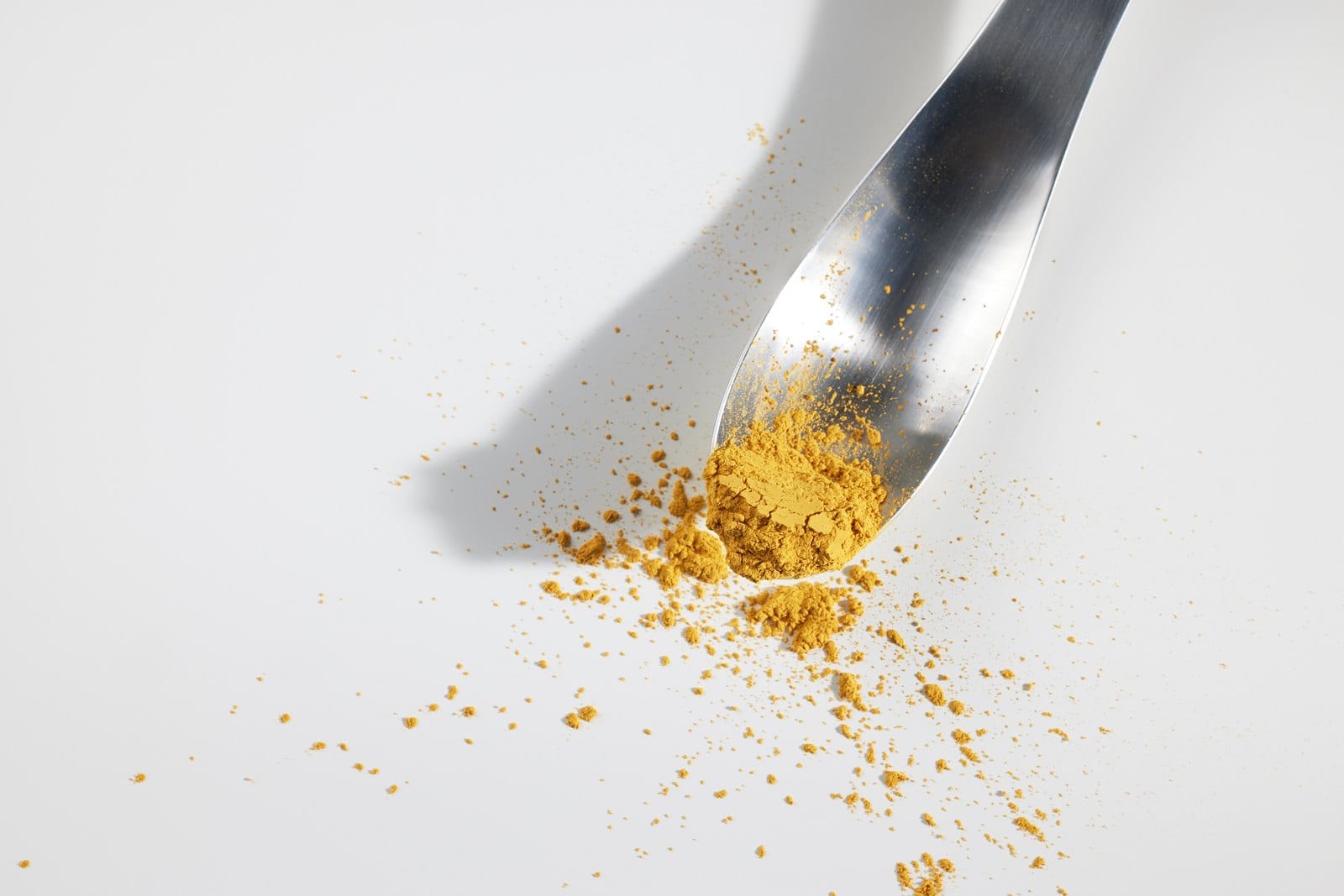
What EFSA concluded, in its own words
The opinion is a safety assessment, and it says so. Section 2.2 states that it "is not an assessment of the efficacy of the NF with regard to any claimed benefit". Nothing in it supports a nutrition, health or sustainability message.
Within that scope, the Panel's findings are specific. The source organism is a Gram-negative, hydrogen-oxidising bacterium isolated from seashore sediment in southern Finland and deposited as DSM 34079. The applicant's genome analyses indicated a novel species within the genus Xanthobacter. There is no shortcut for such an organism. When Xanthobacter was notified in 2022 for EFSA's qualified presumption of safety list, it could not be assessed further because it had not been identified to species level, and the opinion records no history of food use for any Xanthobacter species.
The process is continuous cultivation under micro-aerobic conditions, with carbon dioxide as the carbon source, hydrogen as the energy source and ammonia as the nitrogen source, followed by heat inactivation, centrifugation, pH adjustment, homogenisation and drying. The Panel found the process sufficiently described, the composition sufficient to characterise the ingredient, and the absence of viable cells in the final product demonstrated.
On toxicology, a 90-day rat study showed no adverse effects up to the highest dose tested, 1,500 mg per kg body weight per day. One in vitro chromosome aberration test was positive at the highest concentration with metabolic activation; after further tests, including a negative in vivo micronucleus test in mice, the Panel concluded that the ingredient raises no genotoxicity concerns. At the proposed uses, the lowest margin of exposure was 212, for children aged 3 to 9.
A safety opinion is not a market licence
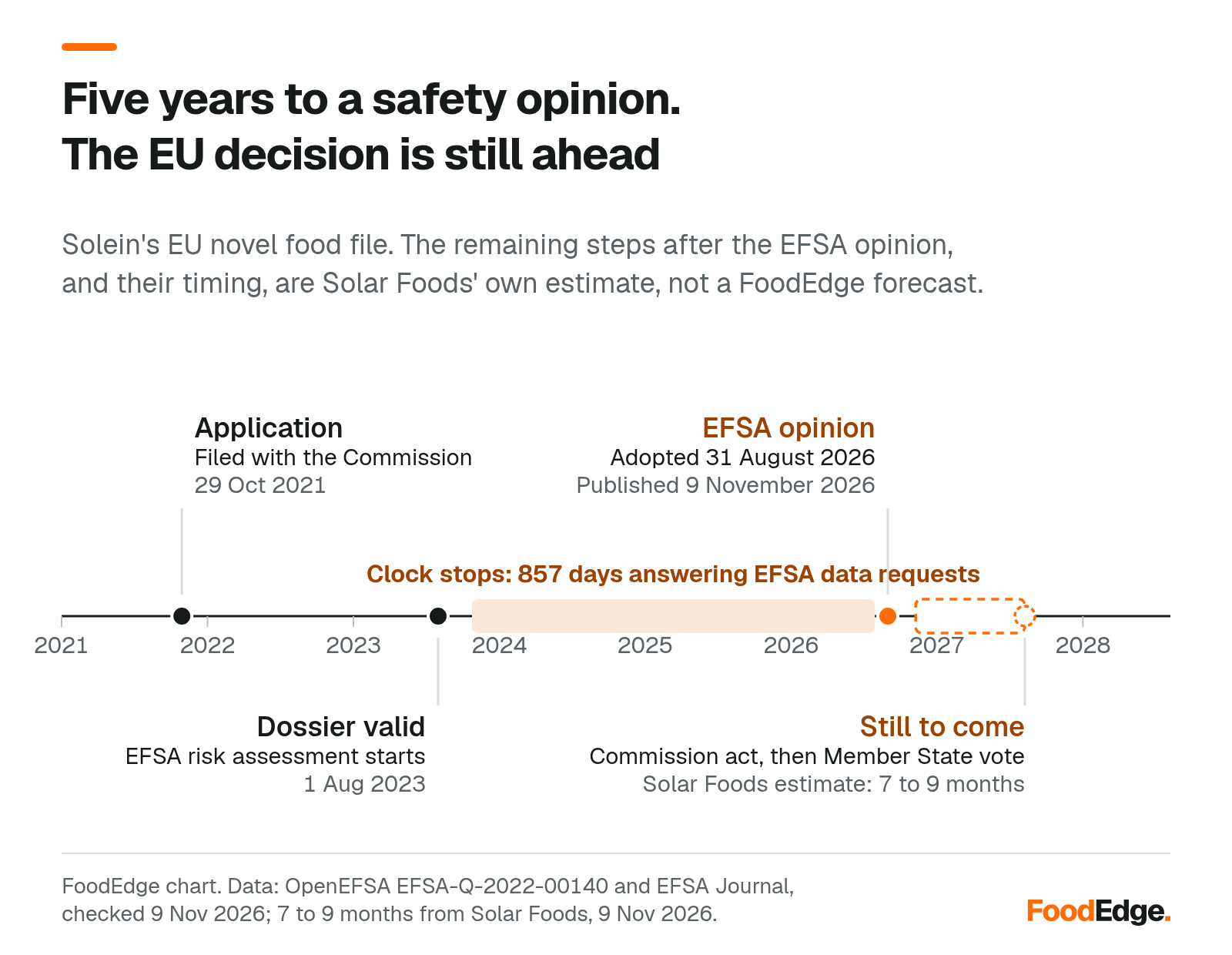
The opinion closes EFSA's part of the file. It does not authorise anything. Under the novel food regulation, the European Commission now drafts an implementing act and puts it to the Member States' standing committee for a vote. Only once that act is adopted does the ingredient enter the Union list, with its specifications, conditions of use and any labelling requirements. Until then, Solein cannot be placed on the EU market.
Solar Foods says the same thing in its own release. It describes the categories in the opinion as "directional" and "conditional to the European Commission's final authorization", and it expects the remaining process to take about 7 to 9 months, "based on recent novel food authorization timelines". Earlier, the company had expected approval during 2026. The 7-to-9-month figure is Solar Foods' estimate; FoodEdge has not modelled it.
Two details from the opinion matter for planning. First, the Panel states that it could not have reached its conclusion without data the applicant claims as proprietary. If the Commission grants that protection, the regulation restricts the authorisation to Solar Foods for five years, unless a later applicant obtains its own authorisation without relying on those data. Second, the legal notice says EFSA's decision on the applicant's confidentiality claims was still pending at publication.
The file also shows how long the work took. OpenEFSA lists the dossier as valid on 1 August 2023 and the opinion as adopted on 31 August 2026. By FoodEdge's count of the dates on OpenEFSA, 857 of those 1,126 days were "clock stops", while Solar Foods answered EFSA's requests for more data.
The use list is narrower than the pitch
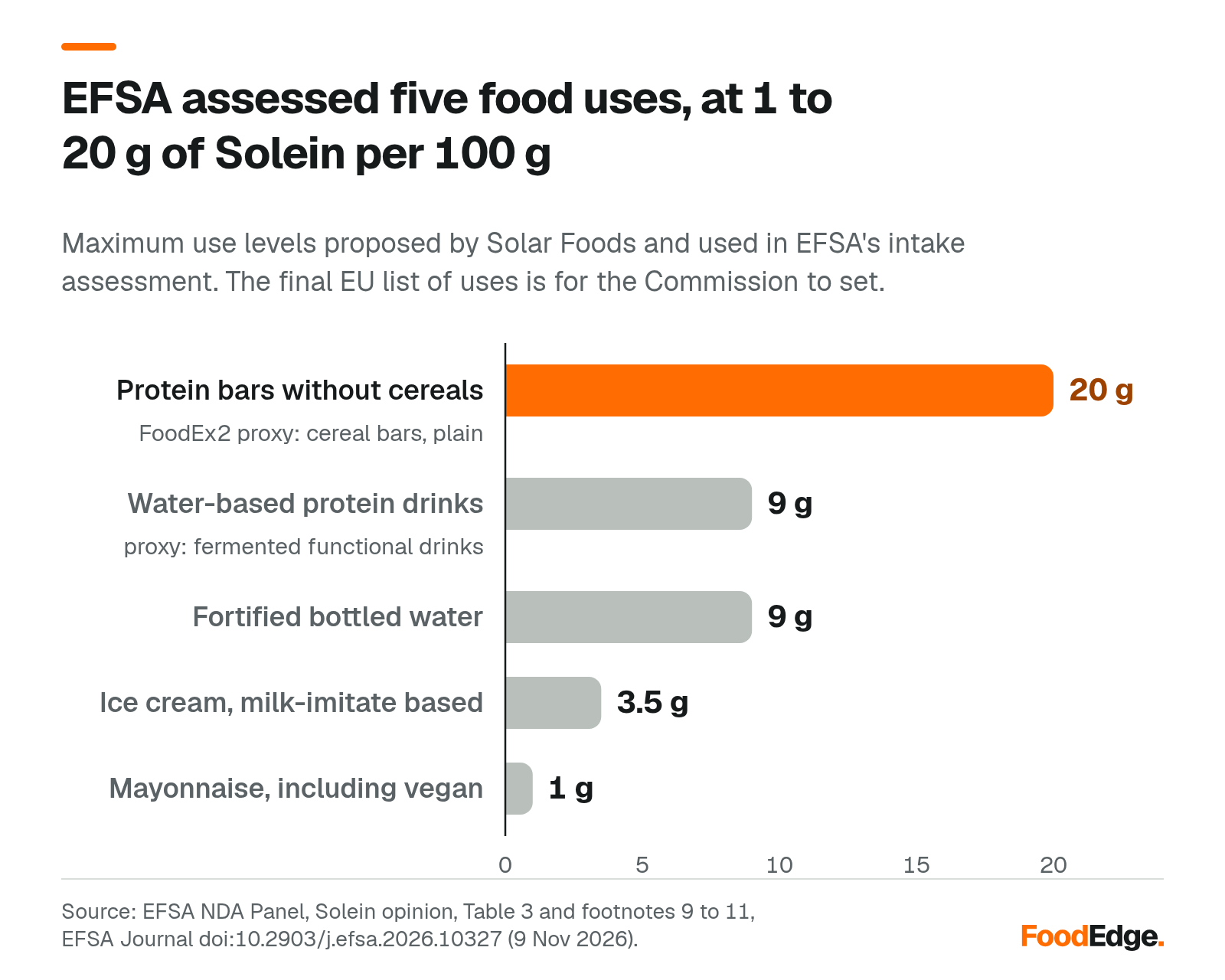
Solar Foods' media FAQ says Solein "can replace protein virtually in any food" and lists pasta, bread, meat and dairy alternatives, snacks and drinks. The opinion assessed something much tighter. Table 3 lists five uses and their maximum levels:
- protein bars that do not contain cereals, up to 20 g per 100 g (EFSA used "cereal bars, plain" as the intake proxy);
- non-dairy, water-based protein drinks in which the main ingredients are water and Solein, up to 9 g per 100 g;
- fortified bottled water, up to 9 g per 100 g;
- ice cream based on milk imitates, up to 3.5 g per 100 g;
- mayonnaise, including vegan mayonnaise alternatives, up to 1 g per 100 g.
The safety conclusion rests on intake estimates built from those five uses. The applicant's stability work went wider: the opinion reports trials in non-dairy cheese, yoghurt, a semisolid dessert, a raw mince analogue, a ready-to-eat burger, rice cereals and a high-moisture extrudate at 30%, a level above any of the five maxima. The opinion describes those foods as "some of the intended uses". Our reading is that this stability work does not widen the list. Teams should plan against the five uses until the Commission's draft says otherwise, because changing the conditions of use of an authorised novel food goes back through the same Union-list procedure.
The levels also say something about function. On EFSA's mean composition, 20 g of Solein adds roughly 15 g of crude protein to 100 g of bar, and 9 g adds about 7 g to 100 g of drink. In ice cream at 3.5 g and mayonnaise at 1 g, it adds under 3 g and under 1 g. That is FoodEdge arithmetic, not a figure from the opinion, but it suggests two roles: a protein source in bars and drinks, and a minor or functional ingredient elsewhere.
High protein content, modest protein quality
The commercial batches contained on average 79.3% crude protein on a dry basis, measured as nitrogen times 6.25, the factor EU labelling law uses. The quality picture is less flattering. Using an in vitro digestion model, the applicant measured a digestible indispensable amino acid score (DIAAS) of 54% for the powder, limited by tryptophan, and 57% for an extruded form, limited by methionine plus cystine. Both are below the 75% threshold that FAO uses for "good quality" protein. The Panel itself notes "the rather low protein quality" of the ingredient.
The Panel did not treat that as a safety problem: at the proposed levels, Solein would be a modest part of protein intake in a mixed diet. For a product developer it is a formulation fact. A bar that leans on Solein for its protein figure will need a complementary protein if the team cares about quality, not only grams.
The same in vitro work found nitrogen digestibility of 29.6% for the powder and 45% for the extrudate, iron bioaccessibility of 4.9% and 8.0%, and iron uptake below 5% in a Caco-2 cell model. The company's description of Solein as "a source of iron" is a statement about content. These data are a reason to keep any message about iron to what the content supports.
54%
The specification is stricter than the applicant asked for
Supplier qualification should start from EFSA's Table 2, not from the applicant's original proposal. The Panel rejected several of Solar Foods' proposed limits as unrepresentative of the process and set tighter ones: dietary fibre at no more than 15% of dry matter instead of 32%; lead, cadmium, arsenic and mercury each at no more than 0.02 mg/kg; total plate count at no more than 1,000 CFU/g instead of 10,000. It also added limits for Enterobacteriaceae and sulfite-reducing anaerobes. Protein must be at least 73% of dry matter, iron no more than 150 mg per 100 g.
Several points deserve a question to the supplier:
- Endotoxins. The specification sets a limit of 10 EU/mg. The batch table reports values of up to 32.8 in EU/g, while the stability appendix reports similar values in EU/mg. One of these units looks inconsistent in the published text. Ask which applies.
- Putrescine. All five commercial batches contained 600 to 760 mg/kg. The specification sets no limit for biogenic amines, and the opinion raises no concern. It is still a number a sensory and quality team will want to track.
- Nitrate. One batch had 251 mg/kg; the other four were at 50.5 mg/kg or below. Ask about batch-to-batch control.
- Colour. About 900 mg/kg of carotenoids, mostly unidentified xanthophylls, give the powder its yellow to brown colour. That matters in white matrices such as mayonnaise and ice cream.
- Shelf life. Solar Foods proposed 12 months at ambient temperature. The Panel considered the data sufficient for stability "up to 11 months" in LDPE packaging.
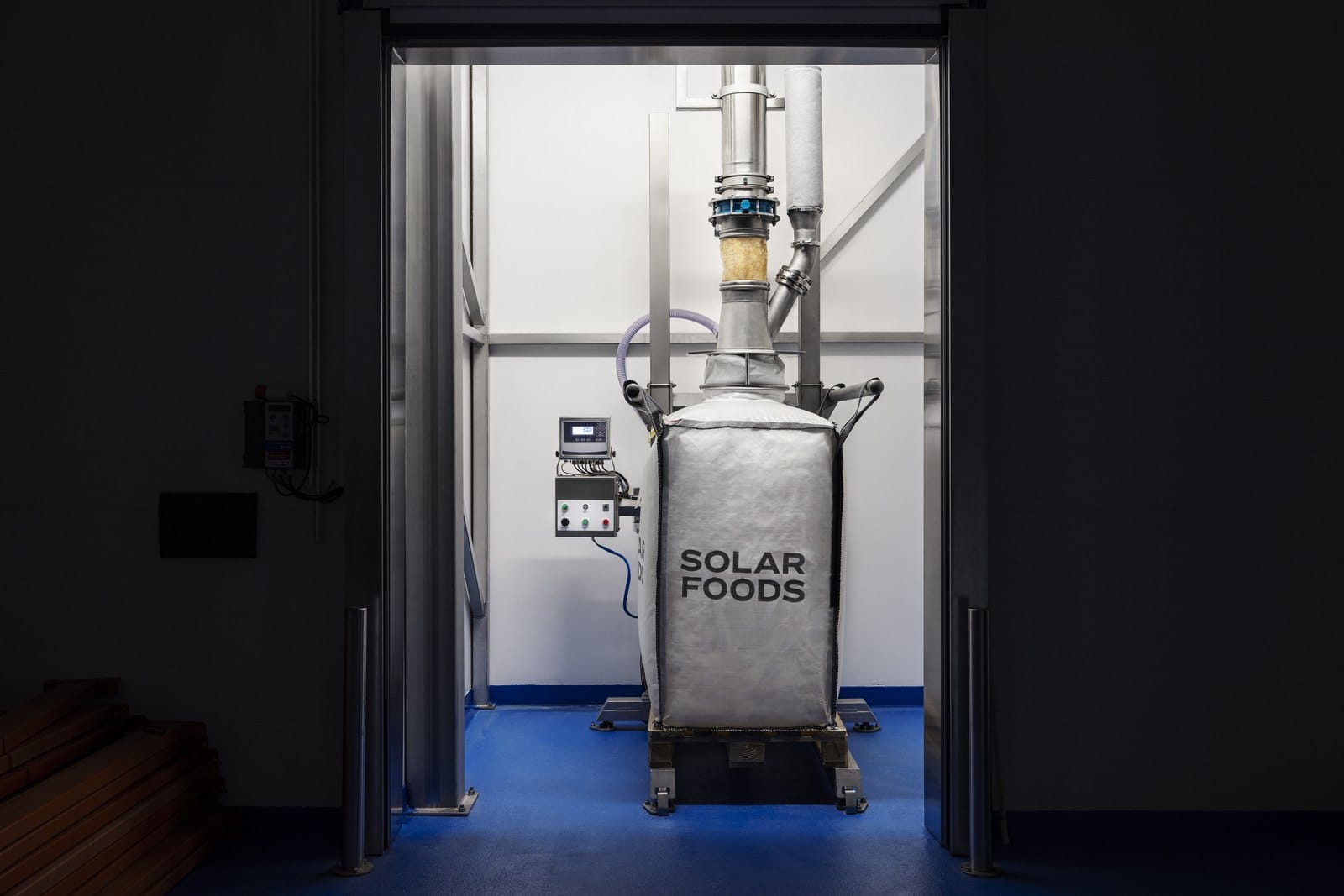
Allergen management is the open question
This is the finding R&D and quality teams should read twice. The Panel "considers that the allergenic potential of the NF is unknown, and cross-reactivity to known allergens cannot be excluded". A bioinformatics search found what the Panel calls "a large number of matches with known allergens". On the applicant's own interpretation of its proteomic data, cross-reactivity with fish, chicken and yeast allergens cannot be excluded. A basophil activation test allowed no conclusion, according to the Panel. The applicant reported no adverse events from consumption in Singapore since 2022.
"The allergenic potential of the NF is unknown, and cross-reactivity to known allergens cannot be excluded."
EFSA NDA Panel, Solein opinion, 9 November 2026
What the Commission does with this is not yet known. For some earlier novel foods, such as dried yellow mealworm (Implementing Regulation (EU) 2021/882), the authorisation added a specific labelling statement on possible allergic reactions. Whether a comparable requirement appears in the Solein act will only be clear from the Commission's draft. Until then, allergen risk assessment and factory allergen management should treat Solein as a material whose cross-reactivity is unresolved.
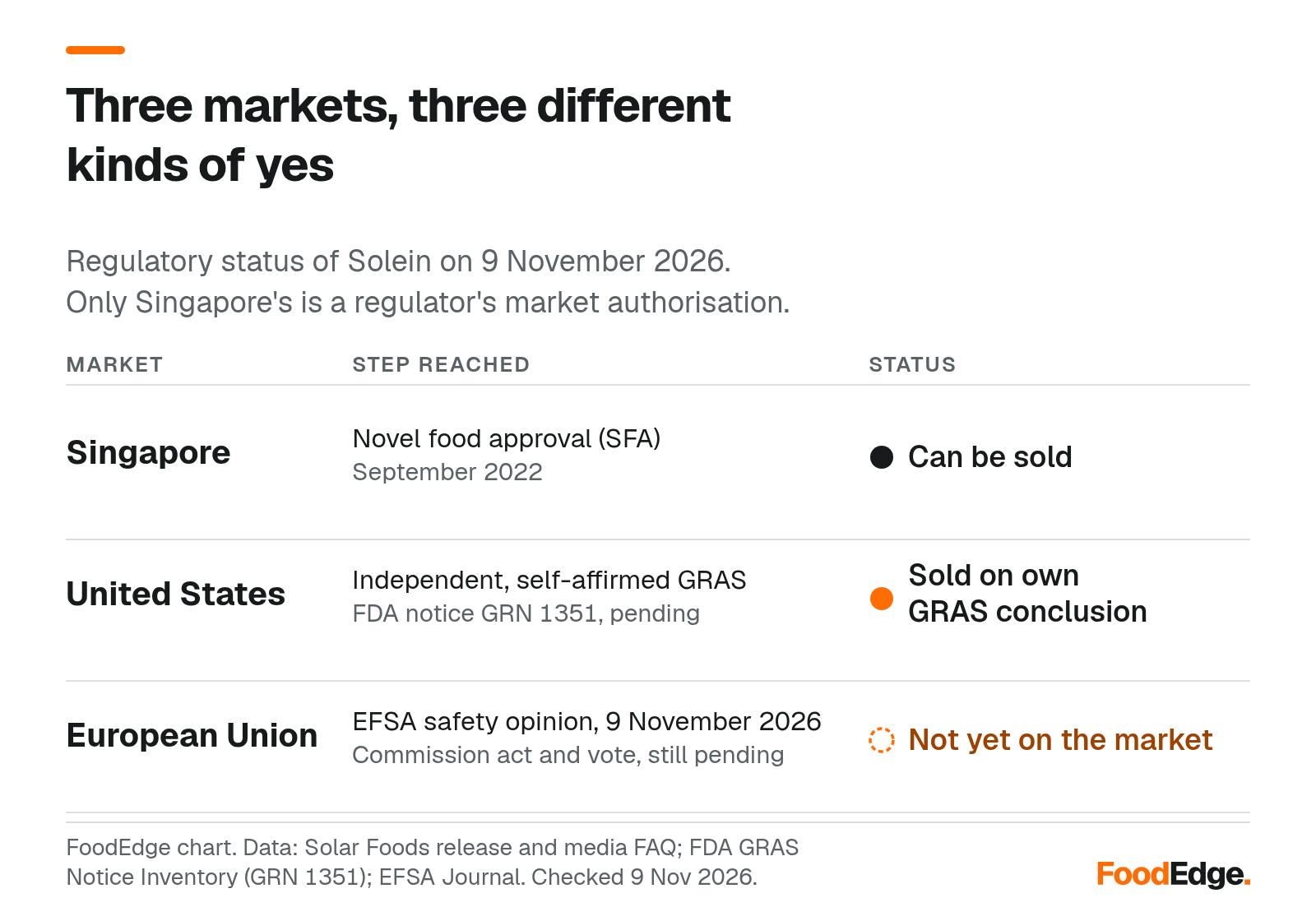
Three markets, three different kinds of yes
Solein's status differs sharply by market, and so does the meaning of "approved".
- Singapore. The Singapore Food Agency granted novel food approval in September 2022, according to Solar Foods. Products there have been limited editions.
- United States. Solar Foods obtained an independent, or "self-affirmed", GRAS conclusion in September 2024. That is a conclusion by experts the company engaged, not an FDA decision. The company then filed a GRAS notice to seek an FDA "no questions" letter; the FDA inventory lists it as GRN 1351, "Heat-killed biomass of Xanthobacter sp. DSM 34079", with the status pending when FoodEdge checked on 9 November 2026. In September 2025, Solar Foods said it expected the letter by the end of 2026.
- European Union. A positive EFSA opinion, with the Commission act and the Member State vote still to come.
The practical point is that a US formula is not an EU formula. The uses and levels in the US notice, and in any FDA response, need not match the five EU uses. Solar Foods' media FAQ also says it has applied in the UK; FoodEdge did not check the UK status for this piece.
Supply: Factory 01 now, Factory 02 on paper
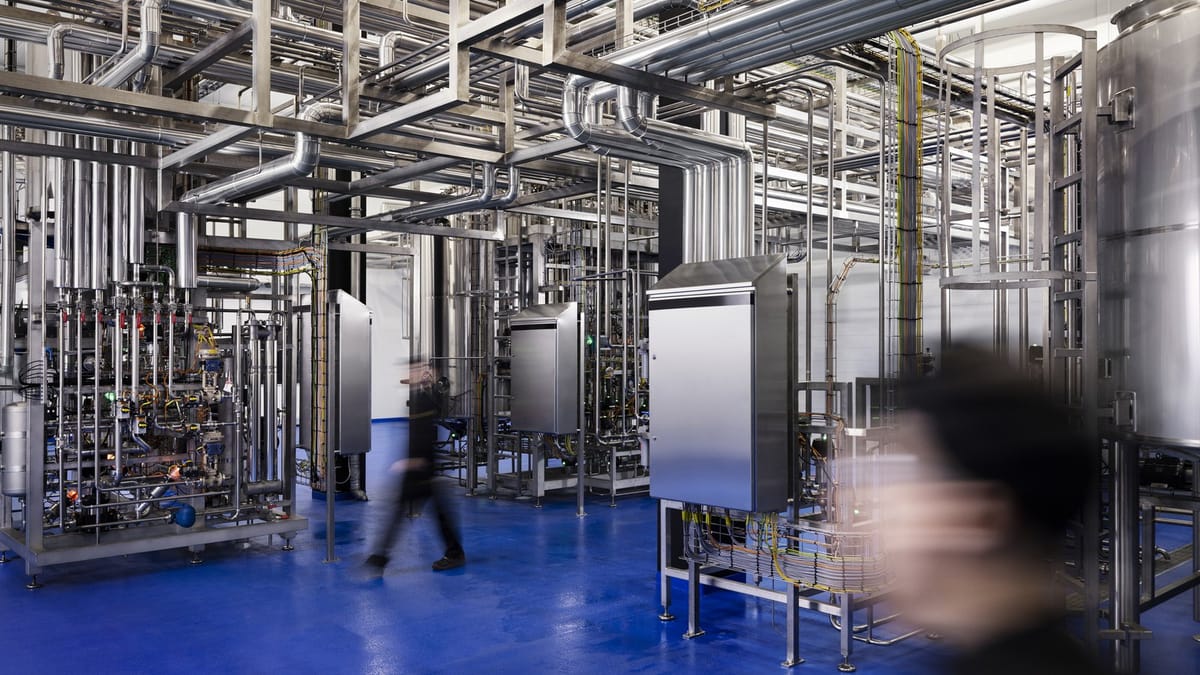
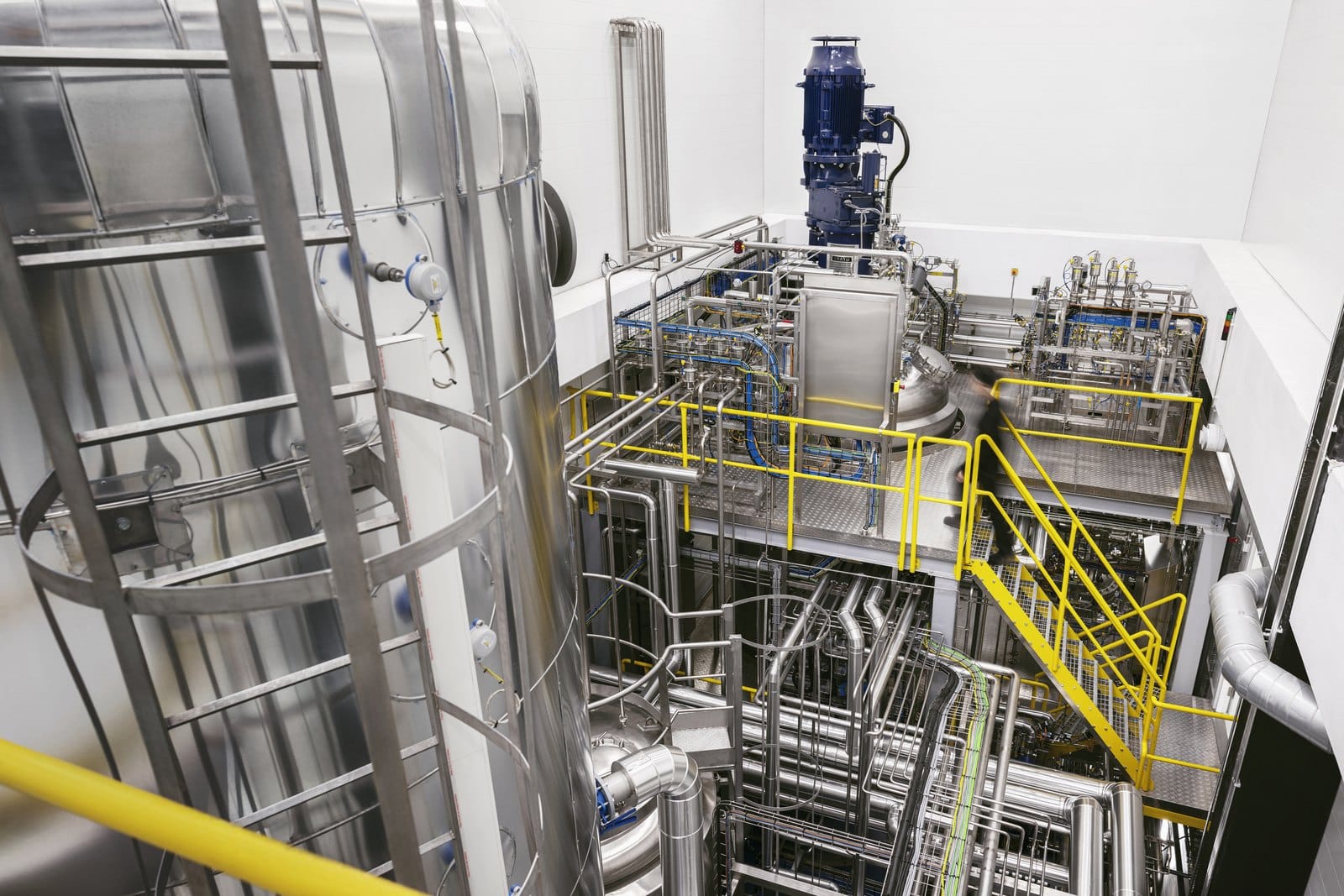
Every volume figure here is the company's. Solar Foods says Factory 01 began operating in April 2024 and estimates it can grow "a maximum of 160 tons" of Solein a year. At the 20 g per 100 g bar maximum, 160 tonnes would go into about 800 tonnes of bars. That is FoodEdge arithmetic on the company's stated maximum, not a measure of actual output, which the company has not disclosed in the sources we read.
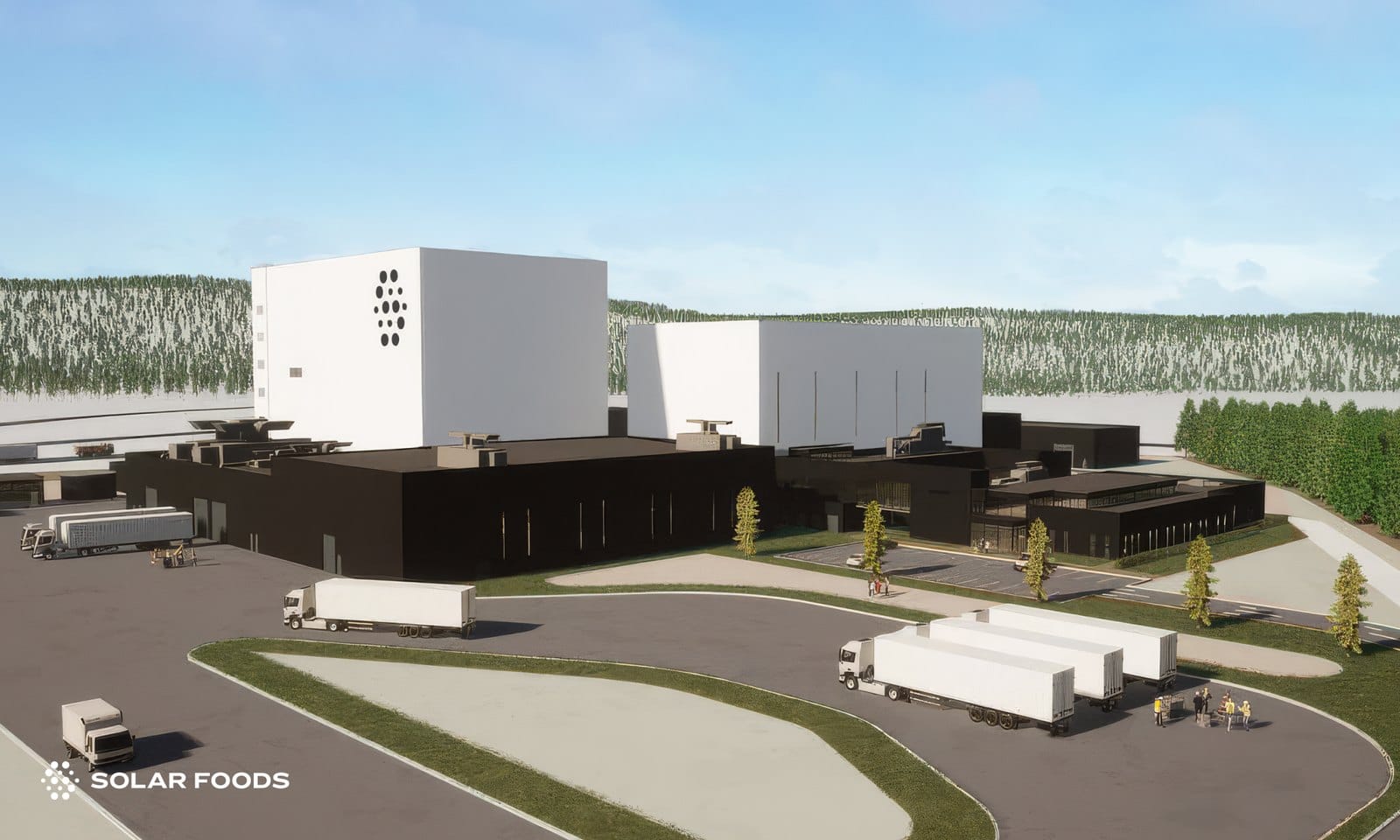
Factory 02, the first industrial-scale plant, is estimated by the company at "over 50-100 times" the capacity of Factory 01. It does not yet exist. Solar Foods says binding customer agreements and a completed financing package are among the prerequisites for a final investment decision, and that it expects the EFSA opinion to move offtake talks towards binding agreements.
For R&D, two consequences follow. Early EU volumes will come from one plant with a stated ceiling. And the specification EFSA assessed rests on five commercial-scale batches and five pilot batches; a new plant should be able to show it meets the same specification, and a buyer should ask how.
Fazer, which describes itself as Solar Foods' largest shareholder, said on 9 November that it has piloted Solein products in Singapore and the US, including a snack bar and oat drinks, and is ready to launch in Europe once authorisation is granted. It did not name the products. Whether an oat drink fits any of the five assessed uses is a question the Commission's text will answer.
The sustainability numbers are company numbers
Solar Foods' media FAQ cites a lifecycle analysis. In one answer it puts Solein's greenhouse gas emissions at about 1% of meat protein and "about 20% of plant protein production"; in another, on the same page, at "about 10% of most plant-based proteins" and about 1% of meat. The FAQ also says the reported figures assume ammonia made from natural gas, which accounts for about 20% of the remaining climate impact. FoodEdge has not reviewed the underlying study. The release also states that Solar Foods is the first company in the world to receive a positive EFSA opinion for a novel food produced by gas fermentation, and it sizes the 2030 market at about €7bn in the EU and €11bn in the US. These are the company's claims; we have not verified them.
None of these figures belongs on a pack until the study, its system boundaries and its comparison base have been checked. EU consumer law now restricts generic environmental claims that cannot be substantiated, under Directive (EU) 2024/825, which applies from 27 September 2026.
What to prepare now, and what has to wait
Work a team can start now
- Map concepts against the five assessed uses and their maximum levels. Treat anything else, including high-moisture extrusion at 30%, as outside the opinion.
- Write supplier specifications from EFSA's Table 2, and add questions on the endotoxin unit, putrescine, nitrate variation, carotenoid colour and nucleobase content (the opinion reports 21.8 to 24.2 mg/g).
- Run internal bench, processing and shelf-life work, sized to 11 months of supported ingredient stability. Check with regulatory colleagues before any consumer tasting inside the EU, since the ingredient is not authorised.
- Plan protein claims on content, and plan protein quality with a complementary source where it matters.
- Build an allergen risk assessment that assumes unresolved cross-reactivity.
- Keep US and EU formulas, specifications and claims files separate.
Checklist: work that has to wait for the Commission
Any EU label, ingredient name or launch SKU. The Union-list entry will set the designation, specifications, conditions of use and any labelling statement.
Final confirmation of which food categories, and which levels, are allowed.
Any assumption about whether data protection leaves Solar Foods as the only authorised supplier for five years.
Supply plans that depend on Factory 02, which has no investment decision yet.
FoodEdge view: design to the opinion, not to the press release
This opinion is more useful to a product developer than the release that announced it. It names the uses, the maximum levels, a tighter specification, a supported shelf life and the open allergen question. That is enough to run real bench work in protein bars and water-based drinks, and enough to rule out building an EU pipeline around uses the opinion did not assess.
It is not enough to commit an EU launch date. The Commission can still change the conditions of use and add labelling requirements, the timing is the company's estimate, and the volume beyond Factory 01's stated ceiling depends on a plant that has not been financed. Our reading is that teams should treat Solein as a qualified option for a narrow set of formats, available in the EU in 2027 at the earliest on the company's own timing, and revisit the decision when the Commission's draft implementing act appears.
Sources and scope
Sources checked on 9 November 2026.
- EFSA NDA Panel: Safety of powdered Xanthobacter sp. SoF1 biomass as a novel food pursuant to Regulation (EU) 2015/2283, EFSA Journal, adopted 31 August 2026, published 9 November 2026
- OpenEFSA: EFSA-Q-2022-00140, dossier NF-2021-1730, applicant Solar Foods Oy, timeline and clock stops
- Solar Foods: Solar Foods receives positive EFSA Scientific Opinion for Solein, company release (inside information), 9 November 2026
- Solar Foods: Media page and FAQ, including Factory 01 and Factory 02 estimates and lifecycle figures; images supplied for editorial use
- US FDA: GRAS Notice Inventory, GRN 1351, status pending
- Solar Foods: GRAS notification submitted to the FDA, September 2025
- Fazer Group: Finnish food innovation receives positive EFSA opinion, company release, 9 November 2026
- Regulation (EU) 2015/2283 on novel foods, Articles 10 to 12 and 26
- Commission Implementing Regulation (EU) 2021/882, dried Tenebrio molitor larva, labelling conditions
- Directive (EU) 2024/825 on empowering consumers for the green transition
Scope: an opinion piece based on the published EFSA opinion and the public documents listed. FoodEdge did not review the confidential dossier or its annexes, the lifecycle study, or Solar Foods' Go-to-Market webcast of 9 November, for which we found no public transcript. Company statements on capacity, market size, timing, sustainability and being first are attributed and were not independently verified. Calculations of protein per 100 g, clock-stop days and bar volumes are FoodEdge arithmetic on the cited figures.
AI tools supported source research and drafting during the editorial process.