Defatted olive pulp fruit powder appears as non-novel in a European Commission status-consultation record published on 13 October 2026. The accompanying Spanish document identifies food supplements as its intended use.
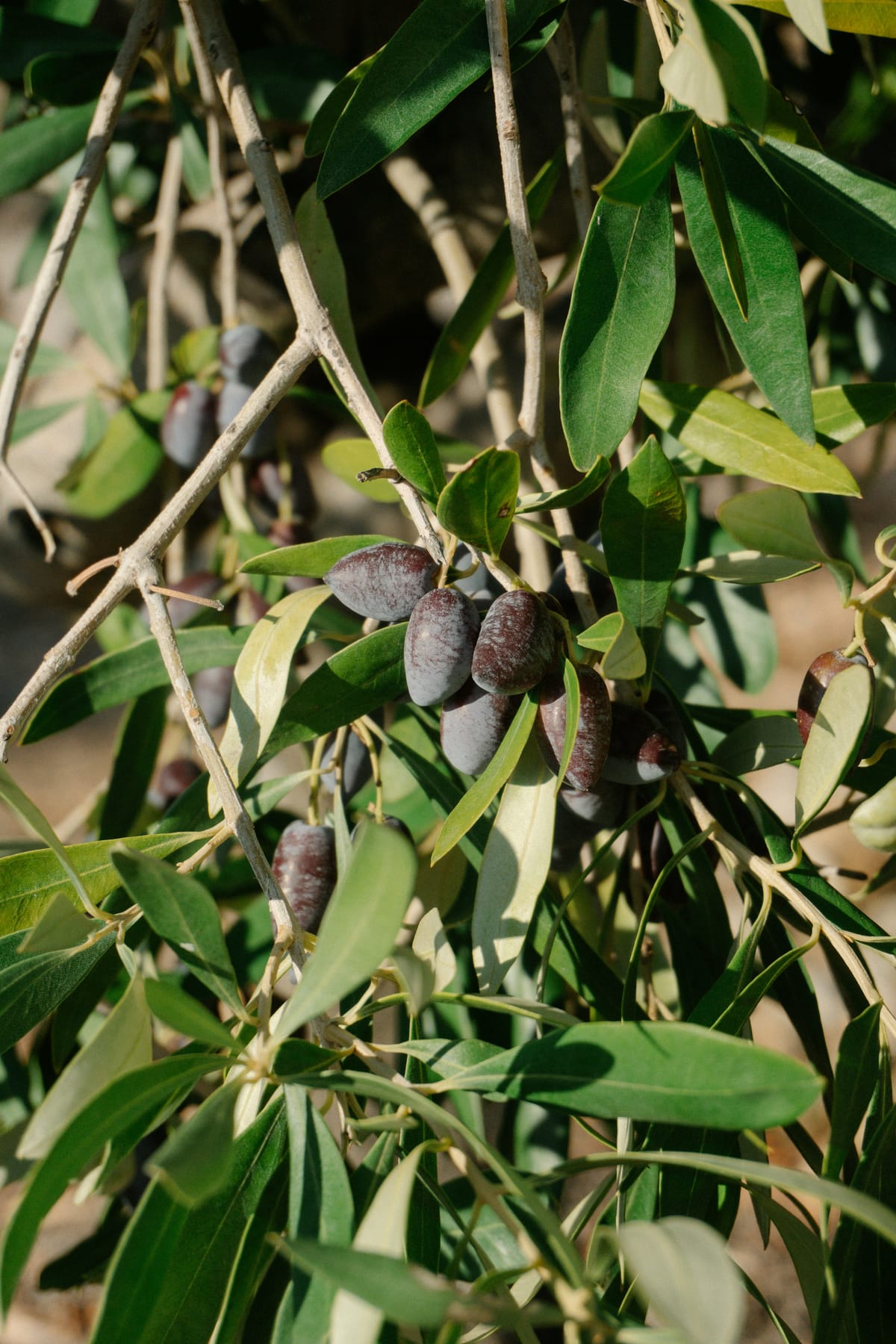
The record names Spain's food-safety agency, AESAN, as the receiving authority. It describes a powder from deboned, defatted olive fruit pulp from olive-oil production, processed by dehydration and micronisation. According to the document, those conventional processes do not create new compounds compared with the olive's natural composition. Read the one-page consultation.
Why the description matters
An older, separate Spanish consultation shows why those details matter. It classified an aqueous olive-fruit extract containing at least 10% hydroxytyrosol as novel for an intended use in milk-based drinks. That document explicitly says food-supplement status was not requested or evaluated.
These are different materials, processes and uses. The contrasting findings do not establish a universal rule about powder versus extract. They show why a familiar fruit name cannot carry the whole regulatory conclusion.
What R&D teams should check
Before using the new entry in an ingredient brief, compare the proposed raw material, manufacturing steps and intended product use with the consultation. Keep a mismatch visible; the shared word olive does not resolve it.
Under Article 4 of the EU novel-food regulation, food business operators must verify whether their food falls within the regulation's scope and consult the relevant Member State if unsure. For a different use or process, that is the question to resolve before treating the entry as a settled development assumption.
Research prepared with AI assistance. Sources and scope are identified above.