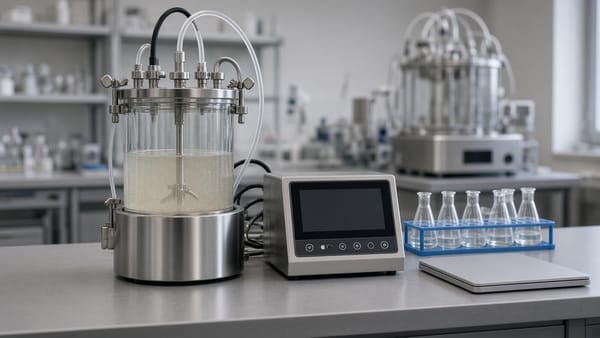
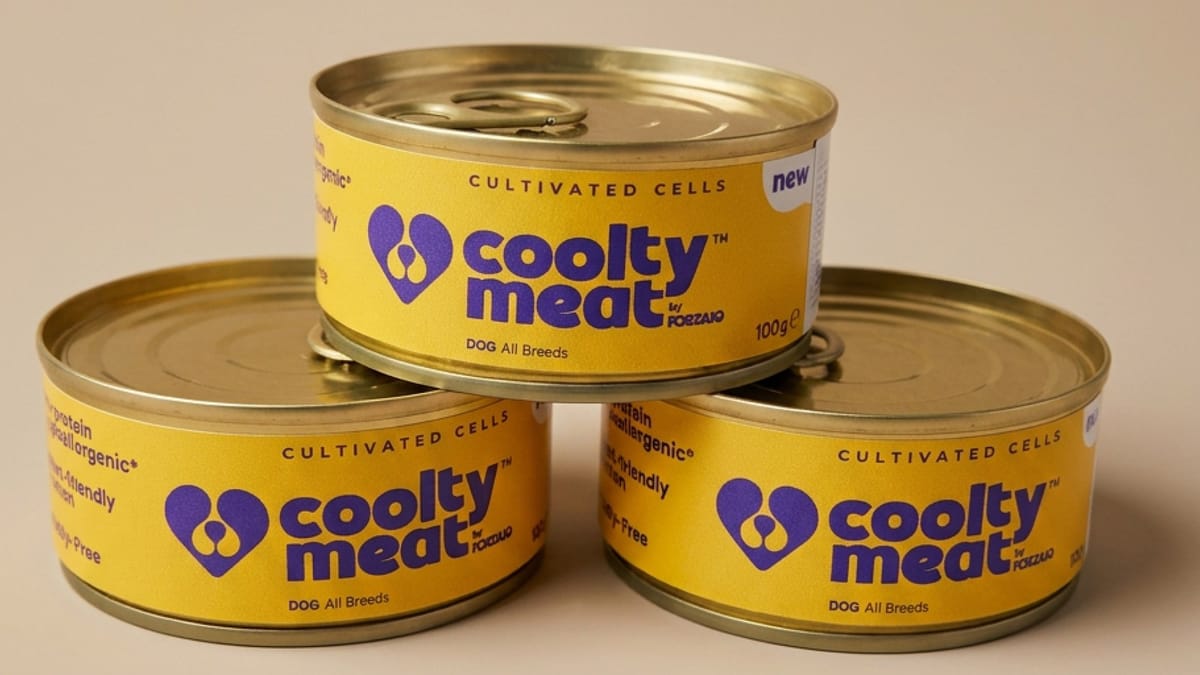
Cultivated cells have found a paying route into EU shops that does not wait for EFSA. Bene Meat Technologies (BeneMeat) sells its cells as a notified feed material, and Coolty Meat, a complete wet dog food from Forza10 with 26% cultivated meat, won the Pet Food & Nutrition category of the Fi Europe Innovation Awards on 17 November. For the cell business, the open question has moved to cost per kilo.
At a glance
- 26%cultivated meat in Coolty Meat, a complete wet dog food (Fi Europe organiser; Food Ingredients First)
- 009569EU Feed Materials Register ID for “cultivated cells of mammalian origin”, notified 7 Nov 2023 (register; BeneMeat)
- 400 to 600 kgof cultivated meat a day: design capacity of BeneMeat’s Prague plant (BeneMeat; GlobalPETS)
- 8 of 133entries won a Fi Europe Innovation Award in 2026, one of them Coolty Meat (Ingredients Network; Food Ingredients First)
Figures as stated by the Fi Europe organiser, the companies and the register, checked 19 November 2026. Plant capacity is a design figure, not reported output.
The jury picked eight winners from 133 entries, according to organiser Informa’s Ingredients Network. Coolty Meat was developed by Forza10, part of Nasta Pet Food, with BeneMeat as technology partner and ingredient supplier. Food Ingredients First and Food and Drink Technology report the same result.
The regulatory route is the business model. BeneMeat says its production is registered by the Czech authority ÚKZÚZ (CZ 802529-01) and its cells are listed in the EU Feed Materials Register under category 12. FoodEdge found the entry: ID 009569, “Cultivated cells of mammalian origin”, notified on 7 November 2023 and still active on 19 November 2026. The register notes that notifications “are made upon the entire responsibility of the notifying company” and that a listing “cannot be considered as an assurance of its feed material status”. Human food is a separate track: the European Commission said on 7 September 2026 that two cell-based meat applications had been filed, one under EFSA assessment and one awaiting information.
The label lists the protein source as cultivated mammalian cells at 26%, matching the register’s name for the material. Forza10 is piloting the product with retailers in Spain and Portugal (GlobalPETS; Green Queen), and Nasta’s marketing chief told GlobalPETS that the pilot tracks sell-out and repeat purchase, with more European countries planned for 2027. BeneMeat says its Prague plant is designed for 400 to 600 kg of cultivated meat a day (BeneMeat; GlobalPETS). FoodEdge found no published production cost, ingredient price or shelf price for the pilot markets.
FoodEdge view: the feed route buys revenue now, and shelf price will cap cell cost
Our reading is that BeneMeat has a live cultivated meat sales route in the EU today: sell cells as a notified feed material into premium clinical dog food, and earn while the human food route is still at the application stage. The limit is price. A 26% inclusion puts more than a quarter of the can’s weight in cells, and the shelf price also has to pay the retailer, the brand and the canner. Plant capacity is a design figure and no cell cost is public.
The due diligence question: what does a kilo of BeneMeat cells cost to make at 400 to 600 kg a day, and does the Iberian pilot show repeat purchase at a price that covers it?
Weighing a food biotech or nutrition deal? Independent technical due diligence, before you sign.
How we checked
- Sources: Ingredients Network (Informa, organiser), Food Ingredients First and Food and Drink Technology, 18 Nov 2026; BeneMeat FAQ and BeneMeat release, 12 May 2026; EU Feed Materials Register (search “cultivated cells”); GlobalPETS, 5 Nov 2026; Green Queen, 13 May 2026; Coolty Meat label (Forza10 Latvia); Commission answer E-002888/2026.
- Snapshot: 19 November 2026.
- Key assumption: the 26% on the label and the 400 to 600 kg a day both refer to cultivated cell mass as sold, so they describe the same material. If the plant figure were on a dry basis, finished-food output per day would be higher by an amount the companies have not disclosed.
- Main limit: capacity, palatability and regulatory statements are company claims, and the register hides the notifier’s name, so the link between ID 009569 and BeneMeat rests on BeneMeat’s own statement.
Disclosure: Adam M. Adamek, FoodEdge’s editor, is a Startup Challenge judge at Fi Europe. The Innovation Awards are judged by a separate jury.
AI tools supported source research and drafting during the editorial process.