Copenhagen-based 21st.BIO has filed an EU novel food application for BLG Essential+, its production technology for bovine beta-lactoglobulin made by precision fermentation, according to a company release on Cision dated 12 November 2026. BLG is the main protein in whey. The release gives no expected decision date.
In the same release the company calls on European regulators to create "a fast-track pathway for well-characterized, nature-identical food proteins" made with host strains that have a record of safe use. That is a policy ask. The release does not say 21st.BIO has requested accelerated treatment for its own dossier.
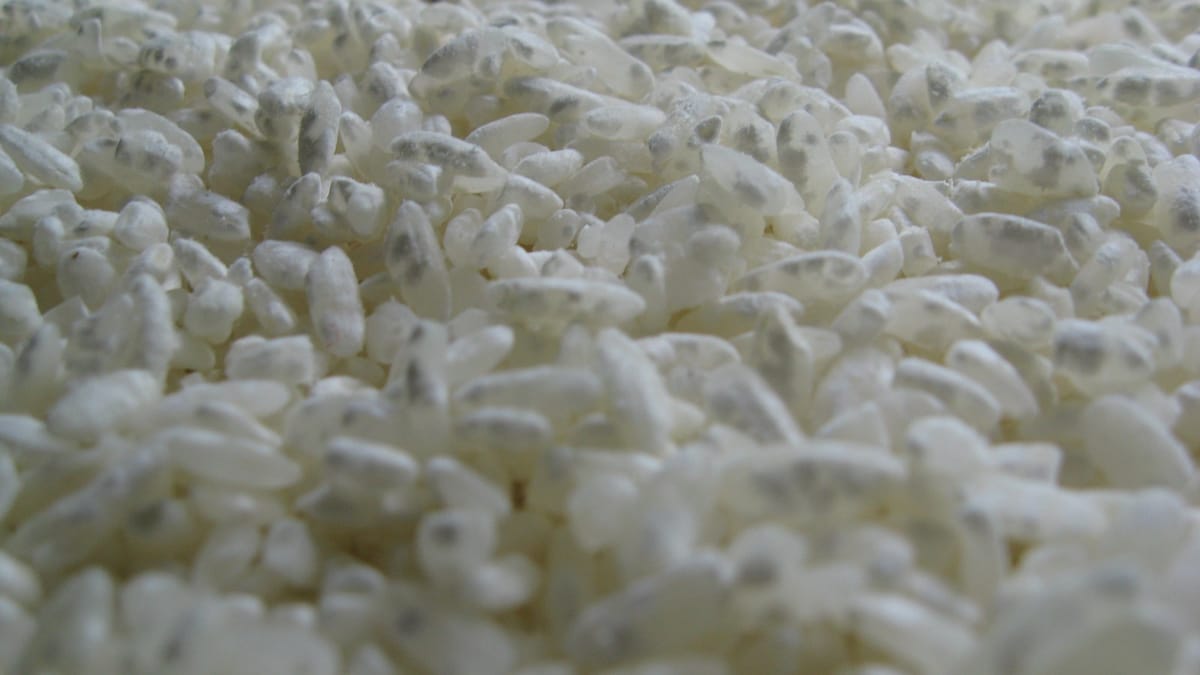
The business model matters here. 21st.BIO does not sell the protein. It licenses production strains, fermentation and purification processes, pilot production and scale-up support to "limited partners" who make the ingredient themselves. The host is Aspergillus oryzae, the koji mould, on a platform the company says is partly licensed from Novonesis.
In the US the timeline was shorter. The company announced self-affirmed GRAS status in September 2024, and the November release says US sales approval followed in October 2025. Europe now has a file with a regulator and no date attached.
The money behind it is not new. Novo Holdings said in December 2021 that it would invest €86 million in 21st.BIO, partly to build a first manufacturing site. Nearly five years later, the November release still describes preparing the EU dossier as "years of scientific and procedural work and significant investment", and says the approval timeline makes it "tough for innovators and manufacturers to plan investments, facilities and launch products in Europe".
Chief executive Thomas G. Schmidt put the argument plainly: "This is not a choice between safety and speed."
What to check
- Who carries the wait. A licensing platform earns when licensees produce and sell. Until EU authorisation, European revenue from BLG depends on licensees selling elsewhere. Ask how many licensees are producing at commercial scale today, and where.
- Revenue mix. Separate upfront development fees from running royalties. Fees fund the company; royalties prove the model.
- The cost claim. The release talks of "low-cost, large-scale production". No cost per kilogram or titre is published. The release points to supply constraints in European whey, which helps the pitch; a cost figure against whey protein isolate is what would move an investor.
- Runway. The last disclosed equity figure is the €86M commitment from 2021. Has more been raised since, and does the EU timetable fit inside it?
Sources and reporting
- 21st.BIO: 21st.BIO files EU Novel Food application for BLG Essential+ and calls for a European home market for industrially proven precision fermentation technology for production of food, Copenhagen, 12 November 2026, via Cision
- 21st.BIO: self-affirmed GRAS status for beta-lactoglobulin, 4 September 2024
- Novo Holdings: Novo Holdings invests EUR 86 million in 21st.BIO, 21 December 2021
Reporting note: Desk report on the 21st.BIO Cision release of 12 November 2026, the company's September 2024 GRAS announcement, and the Novo Holdings statement of 21 December 2021. The release gives no expected decision date. The call for a fast-track pathway is a general policy ask; the release does not say the company requested accelerated treatment for its own dossier. All figures are in euros in the sources. FoodEdge has not spoken to 21st.BIO.
AI tools supported source research and drafting during the editorial process.